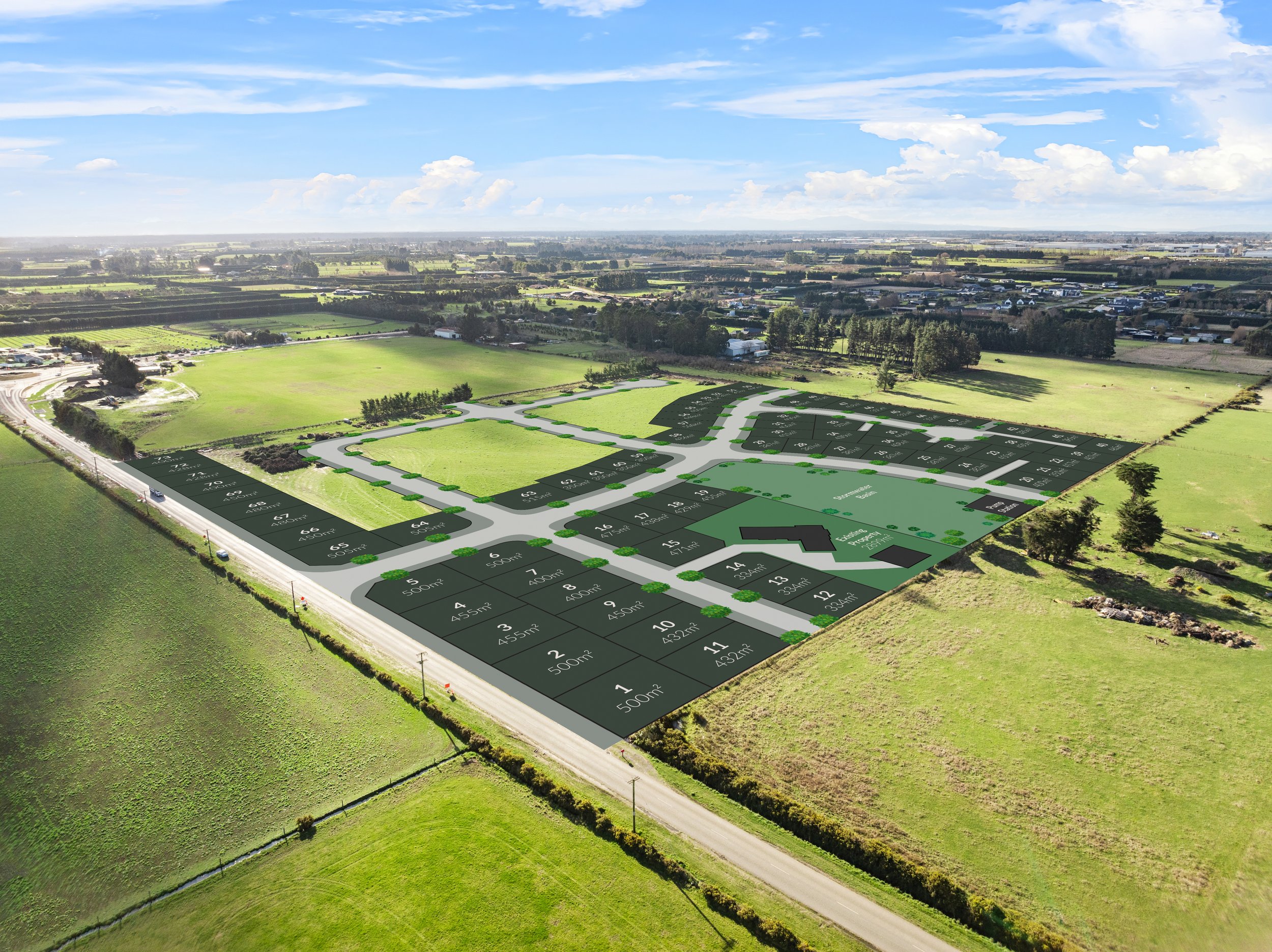
An early look at the NPD
National priorities, regional plans and development potential: An early look at the illustrative NPD
The Government has released an illustrative National Policy Direction for non-statutory public engagement, providing an early indication of how national priorities could be expressed under the proposed new planning system.
The illustrative document is intended to test the structure and content of the proposed approach. A draft statutory NPD is expected to be developed following enactment of the new legislation and will be subject to a separate consultation process.
The NPD forms part of the Government's wider resource management reform programme, which proposes replacing the Resource Management Act 1991 (RMA) with a Planning Act and Natural Environment Act. While the illustrative NPD has no legal effect yet and does not change existing planning rules, it provides an early indication of how future decisions relating to growth, infrastructure, environmental management and development may be made.
For developers, landowners and infrastructure providers, the significance extends well beyond future resource consent pathways. The proposed direction could influence where development is encouraged, where infrastructure investment is prioritised, and how planning conflicts are resolved long before a consent application is lodged.
What is being consulted on?
The consultation is testing how National Policy Direction could operate within the proposed new planning system.
The illustrative NPD is organised around five key themes:
- Housing and development
- Infrastructure
- Primary production
- Resources (including quarrying, mining and waste)
- Public values (including environmental and human health and indigenous biodiversity)
The Government describes the proposed system as a "funnel" approach, where national priorities are established first, reducing the number of issues that need to be debated through regional planning processes and individual consent applications.
How could the new planning system work?
While details are still being developed, the proposed framework is expected to operate broadly as follows:
- National Policy Direction (NPD) would establish national priorities and policy direction.
- Regional Spatial Plans would identify long-term growth areas, infrastructure corridors, environmental values, natural hazard areas and land requiring protection, generally over a 30-year horizon.
- Regional Combined Plans would implement those outcomes through planning rules and standards, with more than 100 existing planning documents intended to be consolidated into 17 regional combined plans.
- Resource Consents would assess matters that have not already been addressed through national direction, spatial planning and planning rules.
Why does this matter?
The illustrative NPD is only the first step in a wider reform programme. Future national standards and regional spatial plans are expected to play a significant role in shaping development opportunities across New Zealand, including determining where housing, business growth and infrastructure investment are directed. These plans are intended to identify future growth areas, infrastructure priorities and key constraints across each region, potentially influencing development opportunities well before a resource consent application is lodged.
In practical terms, the planning conversation may increasingly shift from:
"Can I obtain resource consent for this development?"
to:
"Is this site identified for future growth and investment?"
For landowners, developers and investors, understanding how future spatial plans may apply to their land could become just as important as understanding the current zoning framework.
Growth and infrastructure
Future planning decisions are likely to place greater emphasis on the ability of transport, water, wastewater, stormwater and energy infrastructure to support growth. For developers, this suggests that infrastructure planning may become an increasingly important consideration during site acquisition and project feasibility.
The proposed framework also seeks to provide greater clarity around how competing interests such as housing growth, infrastructure, natural hazards, productive land and environmental protection should be balanced.
The real conversation may be about zoning, not consenting
The illustrative NPD suggests that future planning decisions will increasingly be made through national direction and regional spatial planning, with fewer strategic questions left to be determined through individual consent applications.
For landowners, the key question may no longer simply be "Can I obtain consent for this development?" but rather "How is my land identified within future spatial plans?" Future growth areas, infrastructure priorities, natural hazards and environmental constraints could all play a role in determining whether land is ultimately positioned for urban expansion, redevelopment, infrastructure investment or protection.
As Regional Spatial Plans emerge across the country, they are likely to provide one of the most important opportunities for landowners to engage in shaping future zoning outcomes and unlocking long-term development potential.
What should landowners do now?
While the proposed reforms are still being developed, the direction of travel is becoming clearer. Landowners and developers should continue to monitor the reform programme, consider how future growth, infrastructure and environmental priorities may affect their properties, and look out for opportunities to engage in future Regional Spatial Plan processes.
Regional Spatial Plans are likely to play an important role in shaping future zoning outcomes, infrastructure investment priorities and long-term development opportunities. Early engagement may help landowners better understand how their land could be identified and planned for under the new system.
If you have questions about the reforms or would like to understand how future spatial planning processes may affect your property, get in touch with Inovo's planning team. We will continue to monitor the reform programme as it evolves and will assist clients in reviewing emerging Regional Spatial Plans, identifying opportunities and constraints, and preparing submissions where appropriate.
Was this article helpful? Here’s some other topics that might be interesting to you:
What Can You Build On Your property in New Zealand? Understanding the District Plan
National Policy Statement for Natural Hazards
Disclaimer
This article contains general information and opinion based on our expertise. It is provided free of charge and does not constitute legal or other professional advice. The information within it was up to date at the time of publishing.
Have you got further questions about this topic or our other services?
We are always happy to help – drop us an email rmplanning@inovo.nz, or phone us on 020 4000 0294.
.png)