
Inovo is a dynamic and genuine partner, helping to create, plan and deliver construction and land development projects across New Zealand.
Our comprehensive range of services, agile mindset and strategic approach ensures you get the best solutions for your project.
Services
We support the dynamic needs of clients by providing objective, quality project strategy. We work with clients through a range of organisational and project related considerations including methodology, risk management, analytics, critical success factors and feasibility. We work in three broad service areas – strategic planning, project controls and development management. View more information here.
We approach project planning and programming as a strategic front-end function that underpins successful project delivery. Our emphasis is on early engagement, stakeholder alignment and the creation of programmes that are not just technically sound, but contextually aligned with project objectives.
We provide independent, structured insight to support confident decision-making across complex programmes and portfolios. Our project controls approach provides clear visibility of delivery status, emerging risks, assurance and robust reporting frameworks.
With experience in public and private capital investment programmes and projects, we foster strong relationships with our clients and ensure we understand their drivers, influences and objectives, whether they are commercial, strategic, transactional, delivery or operationally orientated.
We provide professional advice and specialty services in the assessment, design and management of all aspects of land development and integrated land/building development.
We prioritise precision, efficiency, and client satisfaction above all else. Our team employs technology and proven methodologies to deliver accurate and reliable surveying results.
From largescale greenfields development and commercial buildings to infill residential, carparks, infrastructure and transport corridor upgrades, our qualified civil engineers have the capability to assist in design, modelling and contract management.
Our approachable planning specialists bring deep expertise in complex, large-scale statutory and strategic projects, guiding clients through consenting, and plan change processes.
About us

Feature Projects

Auckland Airport Capital Works Programme
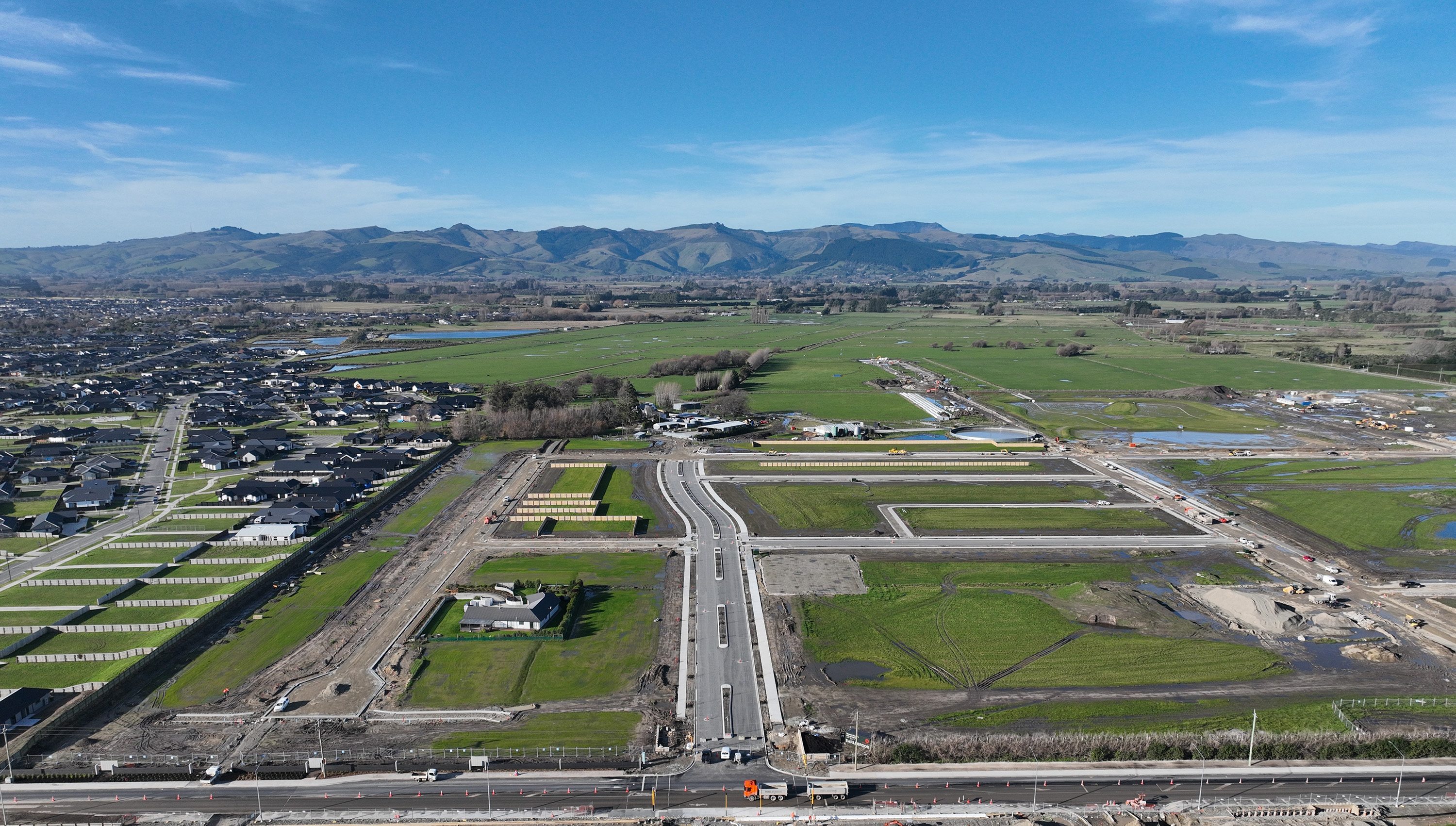
Earlsbrook Subdivision

Snowy River Gold Mine

Auckland Surf Park

RMA reform: Resource Consent Changes from 30 October 2026
New Zealand’s resource management system is changing in stages. The Planning Act 2026 and Natural Environment Act 2026 received Royal assent on 30 September 2026, establishing the framework for the new system.
The Resource Management Act 1991 (RMA) will continue to govern most everyday consenting and enforcement during the transition. However, targeted amendments take effect on 30 October 2026, changing how relevant resource consent applications are assessed.
This article explains two key changes for applicants: additional procedural principles and limits on the matters councils can consider. It also outlines what property owners and developers should check before lodging an application.
This is the first article in our series on RMA reform. A further article will explain application timing, existing consents and the wider transition programme.
Amendments that take effect from 30 October 2026
Two changes are particularly relevant to resource consent applicants: additional procedural principles and limits on the matters councils can consider.
Additional procedural principles
New section 18B places greater emphasis on clear documents, proportionate information requirements and practical decision-making during the transition. For applicants, this reinforces the value of a focused application that explains the proposal clearly and provides the information needed to assess its effects.
Matters councils must disregard
For relevant district land use applications and notices of requirement, councils must disregard specified matters that are outside the scope of the transitional assessment. Subject to the qualifications in the Act, these include:
- negative effects on trade competition and retail distribution
- a project’s lack of demand or financial viability
- the type of residents a development would house
- views from private property
- specified aspects of residential design, including glazing area, balconies, outdoor living space, internal layout, unit size and landscaped area.
The residential-design exclusions do not apply where the matters concern the protection of historic heritage. The exclusion for landscaped area also does not apply in relation to permeability.
These exclusions will also affect related steps in the consenting process, including notification decisions, requests for further information, the gateway test for non-complying activities, the imposition of consent conditions, and the information required with an application.
For a district land use proposal that breaches only rules relating to these excluded effects, the legislation provides a process to seek a deemed permitted activity notice. Consent authorities will also be able to disregard relevant provisions in RMA planning documents. District councils will have an optional, simpler process for removing provisions that address the specified excluded matters.
The scope matters here: these changes do not mean that every design, amenity or environmental effect becomes irrelevant to every application.
Other changes that have immediate effect on 30 October include the public-notification special circumstances test and some Medium Density Residential Standards. [Official summary of RMA changes here]
What should property owners and developers do now?
RMA reform makes early planning advice valuable, particularly where a project involves multiple approvals, expiring consents or a proposed change in land use.
Before lodging a resource consent application:
1. Confirm the approvals your project needs. Identify the relevant district and regional consent requirements.
2. Check the transitional rules. Establish which amendments apply to your application and decision process.
3. Review any out-of-scope matters. Keep the assessment focused on effects the council can legally consider.
4. Record key dates. Keep clear records of lodgement dates, consent expiry dates and project milestones.
5. Monitor emerging plans and standards. Identify changes that could affect your site, infrastructure requirements or development options.
The right approach will depend on your project, location and existing approvals.
We’ll keep publishing information about the RMA reform as we work through the transition period.
Talk to Inovo about resource consent applications and the RMA reform
If you have questions about the reforms or would like to understand how future spatial planning processes may affect your property, get in touch with Inovo's planning team. We can assist you to identify opportunities and constraints and prepare submissions where appropriate. We will continue to monitor the reform programme as it evolves.
Prepared by Clara Casaes, Resource Management Planner, and Jono Begg, Resource Management Planning Team Manager. Published on 17 October 2026.

This article contains general information and opinion based on our expertise. It is provided free of charge and does not constitute legal advice.
Have you got further questions about this topic or our other services? Our full planning team is always happy to help – drop us an email planning@inovo.nz, or phone us on 020 4000 0294.
Cover Photo: Unsplash | Sulthan Auliyaa

How long should a resource consent take? Understanding the consent clock
One of the most common questions we're asked is "how long will my consent take?" The honest answer is that it depends, but the law sets clear limits on how long a council can take, and knowing how those limits work helps you plan your project, your finance and your build programme with confidence.
The statutory timeframes
Under the Resource Management Act, councils must process and decide applications within set timeframes, measured in working days:
- Non-notified applications: 20 working days, or 50 working days if a hearing is held
- Limited notified applications: up to 100 working days where a hearing is held
- Publicly notified applications: up to 130 working days where a hearing is held, roughly six months
Most residential and small-scale applications are non-notified, so the 20 working day timeframe is the one most people will deal with.
Why "20 days" is rarely 20 days
Working days aren't calendar days, and several things affect the count:
- Weekends and public holidays don't count
- The Christmas shutdown: the period from 20 December to 10 January is excluded, so applications lodged in late November or December often take noticeably longer in calendar terms
- Further information requests (s92): if the council asks for more information, the clock can be paused until it's provided
- Time extensions (s37): councils can extend timeframes in some circumstances, for example where an application is complex or the applicant agrees
Put these together and an application that's "20 working days" can easily run to six or eight weeks or more on the calendar.
Our free consent timeframe calculator
To take the guesswork out of it, we've made a free online calculator available at calculator.inovo.nz. Enter your lodgement date, any periods where the clock was paused, any s37 extensions and your decision date (actual or expected). It will give you an accurate working day count and show where your application sits against the statutory timeframe.
It's useful at the start of a project for programming, and part way through to check whether a council is on track.
A note on the RMA reforms
The resource management system is changing. A transition period begins on 30 October 2026, and some processes will change as the new legislation comes into effect. Keep an eye out for updates through our web articles.
Need help?
The calculator is a guide, not a substitute for project-specific advice. If you're planning a development, or your consent is taking longer than expected, get in touch with Inovo's planning team. We can help you plan realistic timeframes, put together a complete application that avoids information requests, and keep things moving with council.
Here's our earlier article on Resource Consent Timeframes and Fee Discounts
And somee other topics that might be interesting to you:
What Can You Build On Your property in Auckland? Understanding the Unitary Plan
National Policy Statement for Natural Hazards
Disclaimer
This article contains general information and opinion based on our expertise. It is provided free of charge and does not constitute legal or other professional advice. The information within it was up to date at the time of publishing.
Have you got further questions about this topic or our other services?
We are always happy to help – drop us an email planning@inovo.nz, or phone us on 020 4000 0294.
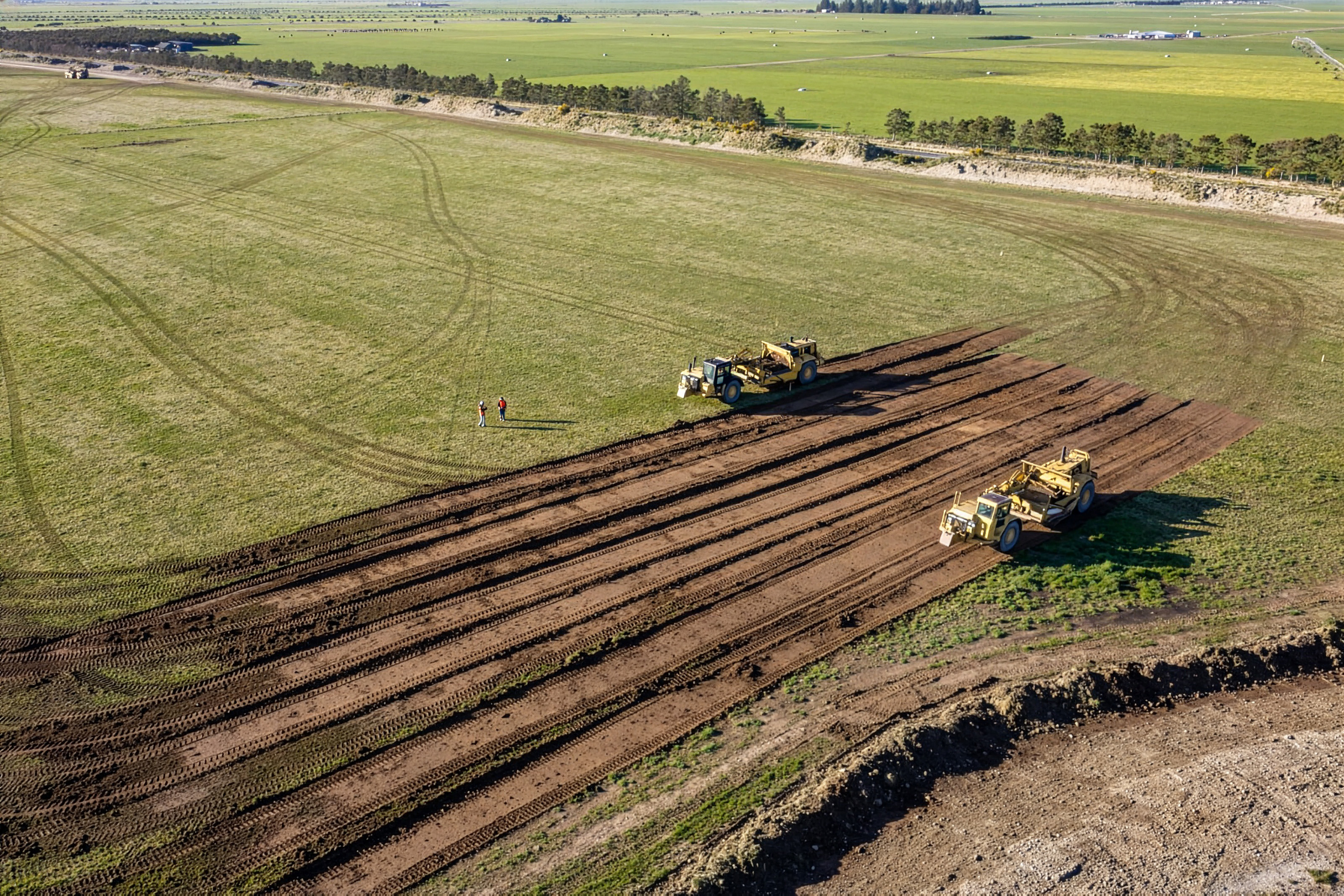
Construction commencers on major water storage infrastructure
Construction has officially commenced on the Wrights Road Storage Ponds, a $60 million project that will provide 8.2 million cubic metres of water storage for Burnt Hill Storage Limited (BHSL) shareholders.
More than just a storage project, the ponds will strengthen resilience against drought and climate change, improve water security, and support efficient water use during the irrigation season.
Inovo is supporting BHSL through project delivery, with our Project Management team working meticulously through the pre-construction resource consent conditions, then on through the construction and completion process.
Our Project Planning and Controls team is working on the construction schedule and monitoring, while the Survey team are undertaking monthly drone monitoring surveys.
After years of planning and preparation, it's exciting to see this important infrastructure project now underway.
Congratulations to BHSL and its shareholders on reaching this significant milestone.
.png)